
For decades, commercial building owners and facility managers operated blindly. Managing massive physical assets relied on fragmented spreadsheets and outdated paper manuals. Furthermore, teams depended on reactive maintenance strategies and siloed software systems. Today, the built environment absolutely demands a smarter, data-driven approach.
By integrating real-time data with rich 3D models, digital twins are changing everything. This technology transforms how owners manage assets across their entire lifecycle. However, implementing this technology requires strategic planning and investment.
Building owners must ask a critical question: What exactly is the Return on Investment (ROI)?
In this comprehensive guide, we will break down the top benefits of digital twins for building owners. We will demonstrate why this technology is becoming the gold standard in modern asset management.
1. Massive Reductions in Operational Costs
The construction industry acknowledges a well-documented fact. Building a facility represents only a fraction of its total cost. Specifically, the operational phase accounts for roughly 80% of a building’s lifecycle cost.
Digital twins directly target this massive ongoing expense. They provide unprecedented visibility into how a building actually operates. Consequently, owners can optimise energy usage, space utilisation, and maintenance schedules effectively.
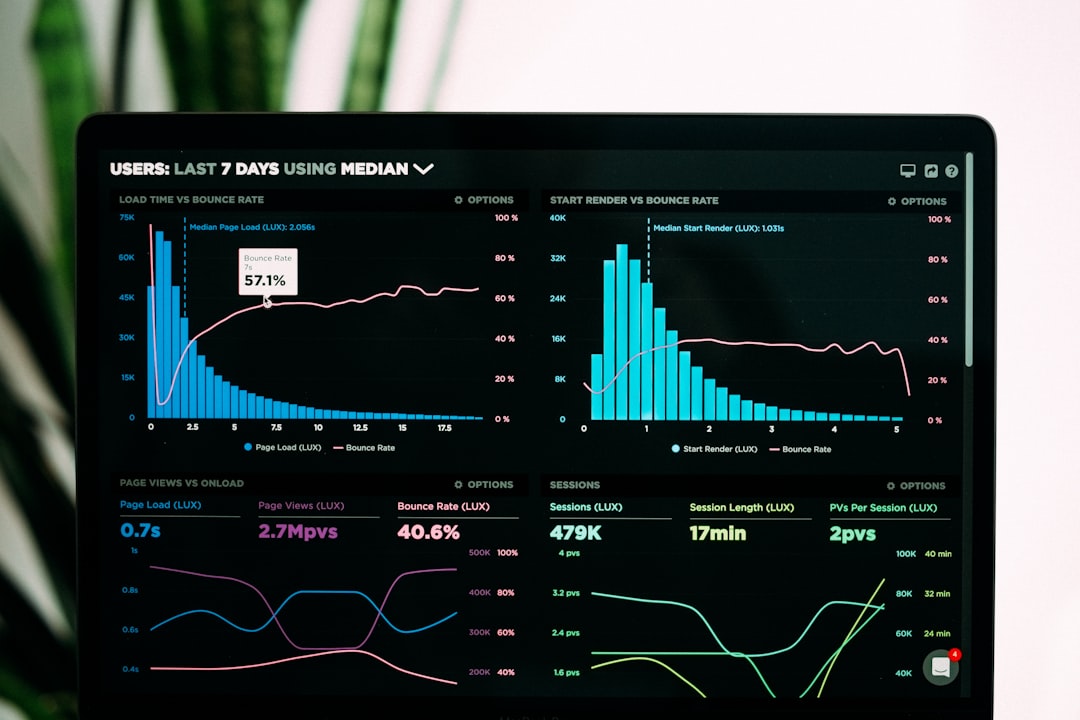
By monitoring real-time data from IoT sensors, a digital twin instantly identifies inefficiencies. For instance, it highlights zones where HVAC systems run at maximum capacity despite being empty. By surfacing these hidden inefficiencies, owners can implement automated controls. Therefore, they drastically lower utility bills year after year.
2. The Shift to Predictive Maintenance
Traditionally, asset maintenance falls into two highly inefficient categories. Firstly, reactive maintenance means running equipment until it breaks. This causes expensive emergency repairs and highly disruptive downtime. Secondly, preventative maintenance means replacing parts on a rigid calendar schedule. This often wastes perfectly good components and expensive labour.
Conversely, digital twins enable a third, vastly superior approach. This approach is predictive maintenance.
By analysing historical data alongside live sensor readings, machine learning algorithms detect early warning signs. For example, the system senses unusual vibrations in a commercial water pump. The digital twin alerts the facility team before the pump actually breaks down.
This allows teams to order necessary parts in advance. Furthermore, they can schedule the repair during off-peak hours. Consequently, this prevents costly emergencies and extends the lifespan of the asset.
3. Improved Space Utilisation
Since the global shift towards hybrid working, understanding space utilisation is a top priority. A building might appear fully leased on paper. However, in reality, it may sit 40% empty on any given Tuesday.
A digital twin equipped with occupancy sensors provides a clear visual heat map. It transforms anecdotal guesswork into hard, actionable data.
Therefore, owners can identify chronically underused areas easily. This insight empowers them to redesign floor plans or consolidate operations. Consequently, they reduce their overall real estate footprint. Alternatively, they can partition unused space and sub-lease it. This generates additional revenue streams from the existing physical asset.
4. Enhanced Safety and Risk Management
Safety is paramount in complex, high-footfall facilities like hospitals and shopping centres. Managing emergencies is often chaotic when relying on outdated 2D floor plans.
A digital twin acts as a highly visual, centralised dashboard for all safety systems. It connects fire alarms, security cameras, and access control points seamlessly.
During a fire or security breach, first responders use the digital twin instantly. They locate the exact source of an alarm in 3D space. Moreover, they visualise the building layout and monitor live occupancy data. This helps them determine the safest, most efficient evacuation routes. As a result, this real-time awareness drastically reduces risk.
5. Seamless Information Handover
One of the most painful phases of any construction project is the handover. When a contractor hands over a building, they also hand over an avalanche of uncoordinated data. Valuable information gets lost in unstructured documents and generic PDFs.
However, a robust digital twin strategy ensures all Asset Information Requirements (AIR) are strictly met. The digital twin provides a highly structured, searchable database linked directly to the 3D geometry.
If a technician needs to replace a fan coil unit, they do not dig through paper archives. Instead, they simply click on the virtual unit within the digital twin. Instantly, they access the serial number, warranty status, and digital manual. Therefore, the building is fully operationally ready from day one. To understand how this transition works, review the BIM to digital twin process.

6. ESG Compliance and Achieving Net Zero
Environmental, Social, and Governance (ESG) reporting is no longer a peripheral concern. It is a central pillar of corporate strategy today. Investors and regulatory bodies place immense pressure on building owners. They demand proven sustainability credentials and decarbonised portfolios.
Digital twins provide the granular, verifiable data required here. They allow owners to precisely measure carbon emissions and track water usage. Furthermore, they can simulate the environmental impact of proposed retrofits safely. This data transparency is vital for securing green financing and avoiding regulatory fines.
7. Increased Asset Value and Marketability
A smart, connected building is simply worth more money. In a competitive commercial real estate market, a digital twin commands a premium.
Prospective buyers and high-calibre tenants actively seek “smart buildings”. They want superior occupant comfort and transparent operational data. The presence of a digital twin proves to investors that the asset is future-proofed. Moreover, it shows the building is well-maintained and capable of generating high yields.
Empower Your Asset Management Strategy
Investing in a digital twin secures the long-term profitability of your asset. However, a digital twin is only as good as the data that powers it. The sleekest software interface cannot compensate for missing or inaccurate data. If you are unsure about the basics, read our guide: What is a digital twin in asset management?.
At DTT Pro, we understand the complexities of modern digital engineering. Our expert BIM consultancy services ensure your project data is structured perfectly. We provide the governance necessary to build a reliable digital twin foundation.
Do not let poor data management undermine the value of your assets. Speak to our digital transformation consultants today to unlock the full potential of your building data.