
The construction and facilities management sectors have seen rapid digitisation recently. Building Information Modelling (BIM) led this massive change. However, buildings are becoming more complex. Therefore, the conversation has shifted from design to long-term operations. Enter the Digital Twin.
But what exactly is a digital twin in asset management? How does it differ from traditional 3D models? And importantly, why do modern building owners need it so urgently?
In this guide, we will explore the definition of a digital twin. Furthermore, we will unpack its core components and examine how it transforms lifecycle asset management.
Defining the Digital Twin in Asset Management
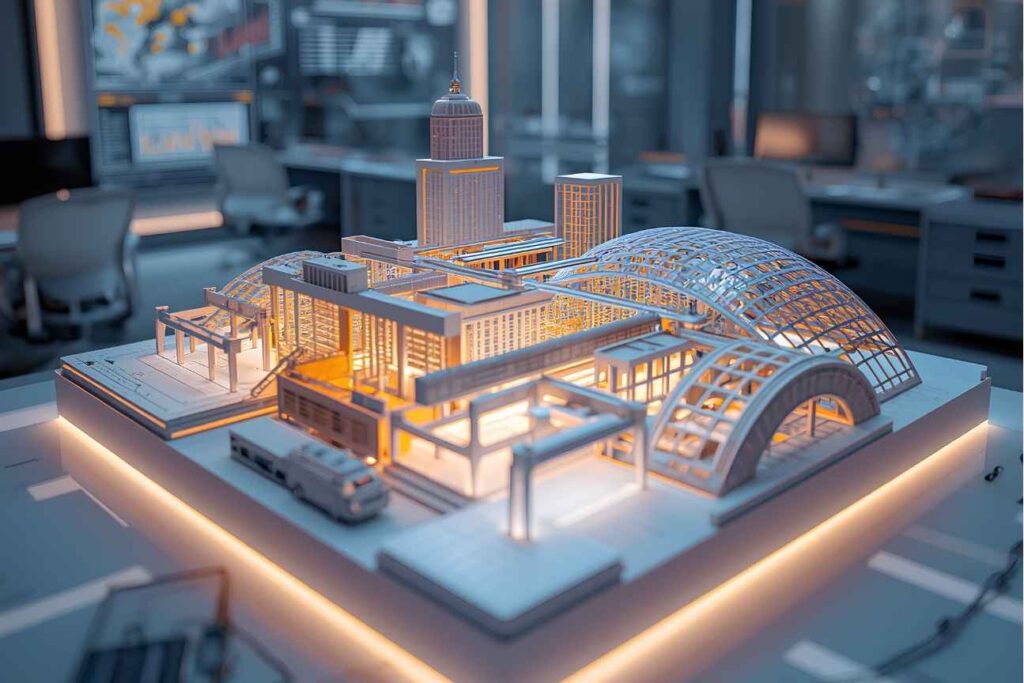
At its core, a digital twin in asset management is a dynamic, virtual replica of a physical asset. This could be a building, a bridge, or an entire campus.
However, people often misuse the term to describe any basic 3D model. To truly qualify as a digital twin, the virtual model must have a two-way data connection with its physical counterpart. Usually, Internet of Things (IoT) sensors and Building Management Systems (BMS) facilitate this vital connection.
Consequently, as the physical building changes, the digital twin updates immediately.
The Three Pillars of a Digital Twin
To understand how a digital twin functions, we must look at three foundational pillars:
- The Physical Asset: This is the real-world building or equipment you manage.
- The Virtual Asset: This is the data-rich digital replica. It includes the 3D geometry and the structured database of component information.
- The Data Connection: This is the continuous flow of information. It includes live sensor data and historical maintenance logs.
How Digital Twins Differ from Traditional BIM
Many professionals confuse BIM with digital twins. While they are related, they serve entirely different purposes.
BIM: The Blueprint for Construction
BIM is primarily a design and construction tool. Architects use it to create a clash-free 3D model enriched with data. This ensures teams can construct the building efficiently.
However, BIM models are usually static. At handover, you receive an “As-Built” model. This snapshot perfectly represents the building on the day construction ended. But buildings constantly change.
The Digital Twin: The Engine for Operations
Conversely, a digital twin in asset management takes that static BIM model and brings it to life. It integrates real-time operational data into the framework.
In short, BIM helps you build the asset. Meanwhile, the digital twin helps you operate it. If you want to understand this transition better, read our full guide on the BIM to digital twin process.
Core Capabilities of a Digital Twin in Asset Management
When you implement a digital twin successfully, it provides unprecedented operational capabilities. This unlocks massive benefits of digital twins for building owners.
1. Real-Time Remote Diagnostics
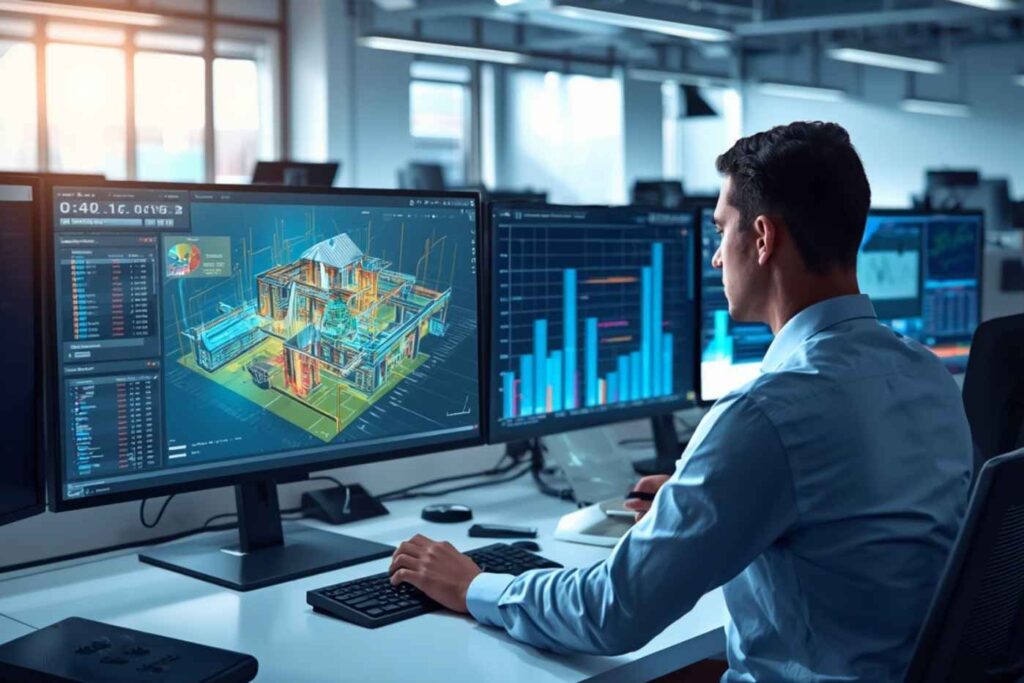
Facility managers no longer need to physically walk the halls. Instead, they can monitor live data through the digital twin dashboard. For instance, if an air handling unit reports a pressure drop, the manager can investigate virtually. They can diagnose the problem remotely before sending a technician.
2. Predictive Maintenance
Traditional maintenance is either reactive or calendar-based. Both methods waste time and money. Conversely, a digital twin enables predictive maintenance. Machine learning algorithms analyse live sensor data against historical baselines. As a result, the system predicts when a component will fail. This prevents costly emergency breakdowns.
3. Scenario Simulation
The digital twin accurately represents the building’s geometry. Therefore, you can use it for powerful simulations. Want to test a new HVAC upgrade? You can simulate the scenario first. This allows you to forecast the exact Return on Investment (ROI) safely.
4. Optimised Space Utilisation
Understanding how people use commercial spaces is critical today. By feeding occupancy data into the digital twin, managers can generate heat maps. Consequently, organisations can consolidate underused spaces and optimise cleaning schedules.
The Foundation of a Successful Digital Twin
You cannot buy a ready-made digital twin off the shelf. Creating one requires a highly structured approach to data management. The smartest algorithms are useless if your underlying data is flawed.
Starting with Asset Information Requirements (AIR)
First, the building owner must define clear Asset Information Requirements (AIR). The AIR dictates exactly what data the construction team must deliver at handover.
Without a rigorous AIR, the data will be a chaotic mess. Consequently, building a functional digital twin becomes impossible.
The Role of Data Assurance
Throughout the construction phase, experts must audit the data continuously. This ensures the digital model accurately reflects the physical asset. Specialised BIM consultants usually oversee this vital process.
Ready to Transform Your Asset Management?
Transitioning to a digital twin strategy seems daunting. However, it simply begins with getting your data right. You need a structured, assured foundation of information to power your future operations.
At DTT Pro, we specialise in digital transformation and engineering solutions. We excel in structuring and managing engineering data to ensure a seamless handover. Our expertise in BIM ensures that your construction programmes deliver the high-quality data required to bring your digital twin to life.
Are you ready to modernise your operations? Contact our digital engineering experts today to discuss how we can support your journey.