
Ask ten people in the construction industry what BIM is, and at least seven will tell you it is a type of 3D modelling software. They are partially right. But this answer misses the most important part — and misunderstanding it is precisely why so many BIM implementations underdeliver.
BIM — Building Information Modelling — is not a software. It is a process. Specifically, it is a process for managing information about a built asset across its entire lifecycle: from early design through construction, handover, and long-term operation.
This guide explains what BIM actually is, what it includes, how it differs from traditional CAD, and why it has become the standard approach for project delivery in the UK and beyond.
The Definition of BIM
The formal definition from ISO 19650 — the international standard governing BIM — describes it as the “use of a shared digital representation of a built asset to facilitate design, construction, and operation processes.”
Three words in that definition deserve particular attention: shared, digital representation, and processes.
- Shared — BIM is inherently collaborative. Information is not siloed in one discipline’s files. It is structured so that architects, engineers, contractors, and asset managers can all access and contribute to the same data.
- Digital representation — this goes beyond geometry. A BIM model contains rich structured data: material specifications, manufacturer information, maintenance schedules, warranty periods, and more.
- Processes — BIM only works when teams follow defined workflows for producing, checking, approving, and handing over information. The process is as important as the technology.
The Three Pillars of BIM
To understand what BIM includes, it helps to think in terms of three interconnected pillars.
1. The Model
The most visible part of BIM is the 3D model — a coordinated, intelligent representation of the building. Unlike a CAD drawing, every element in a BIM model is an object with properties. A wall is not just lines on a plan. It carries information: its material, fire rating, U-value, acoustic performance, and the manufacturer of every component within it.
This intelligence transforms the model into a searchable, queryable database of the physical asset.
2. The Data
The model is only as useful as the information attached to it. This is where asset data standards become critical. For the model to serve the building owner throughout its operational life, information must be structured, classified, and named consistently from day one.
This is governed by documents such as the Asset Information Requirements (AIR), which define exactly what data must be delivered, in what format, and to what level of detail. Without structured data, a BIM model is little more than a detailed picture.
3. The Process
The third pillar is the collaborative process that makes the model and data actually useful. BIM requires defined roles, approval workflows, named software environments, and a clear information delivery schedule.
This process is documented in the BIM Execution Plan (BEP) — a project-specific document produced at the outset of every BIM project, which all parties sign up to and work within.
BIM vs Traditional CAD: A Clear Distinction
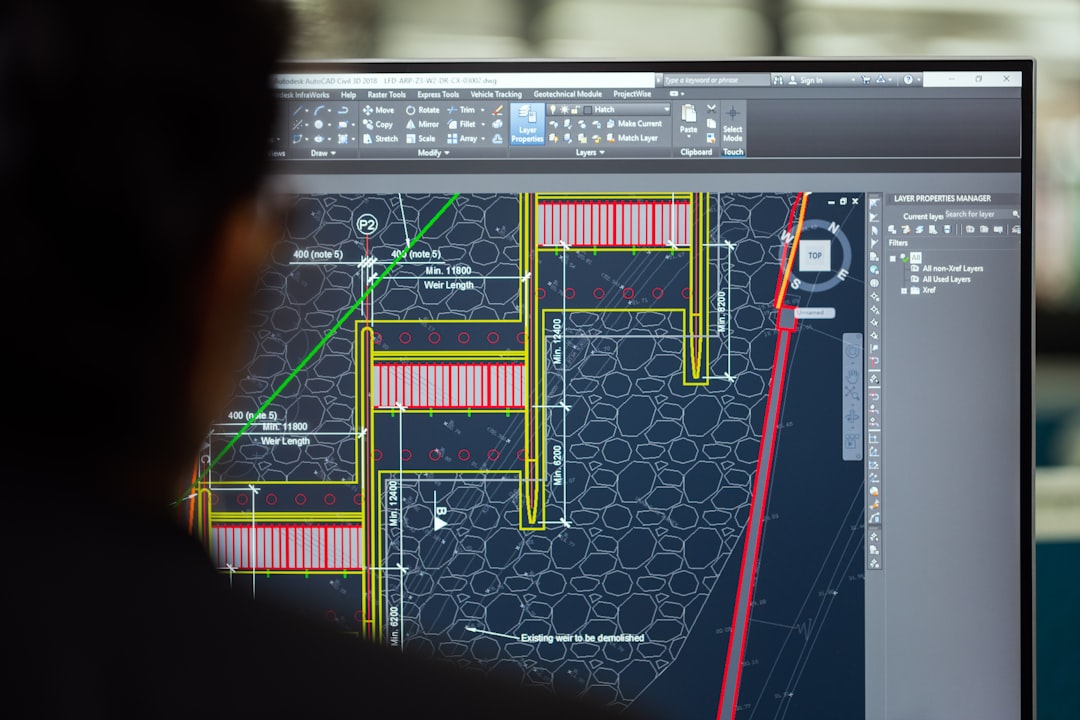
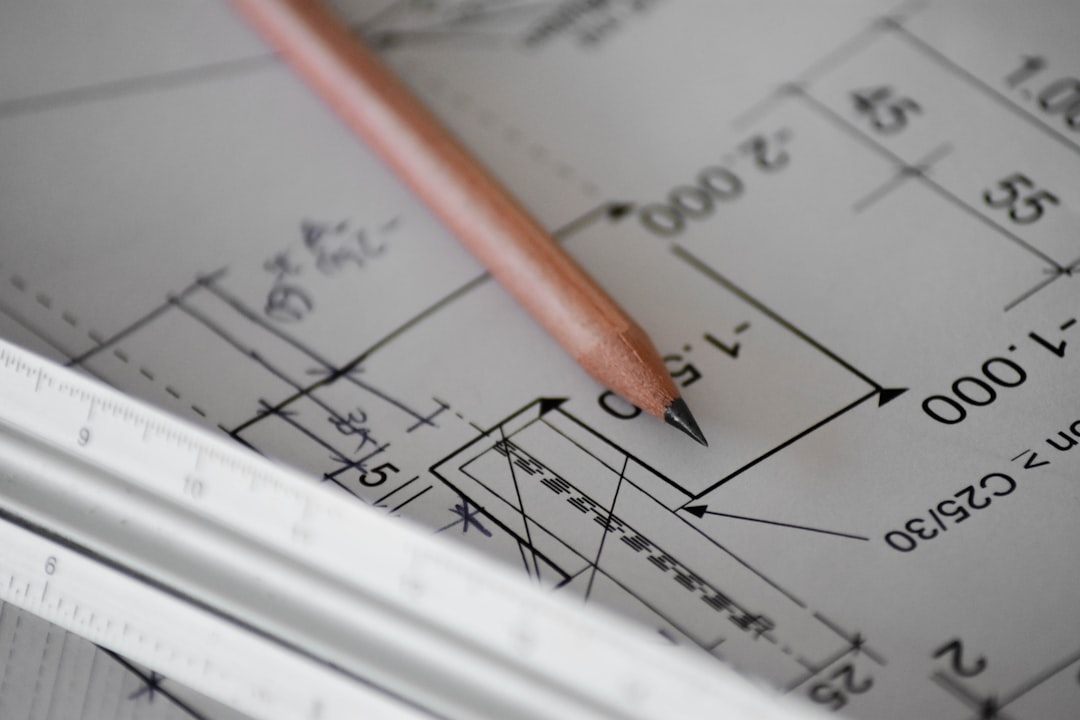
Traditional CAD (Computer-Aided Design) produces 2D drawings — plans, sections, elevations — that represent the building geometrically. These drawings exist in isolation. There is no connection between a wall on a floor plan and a wall on a section. There is certainly no data attached to it.
| Traditional CAD | BIM | |
|---|---|---|
| Output | 2D drawings | Intelligent 3D model + structured data |
| Information | Geometric only | Geometric + asset data |
| Collaboration | Files exchanged manually | Shared in a Common Data Environment |
| Clash detection | Manual, time-consuming | Automated, continuous |
| Lifecycle value | Limited to construction | Extends into operations and FM |
The consequences of this difference are significant. On a traditional CAD project, clashes between structural elements and mechanical services are discovered on site — at significant cost. On a BIM project, the same clash is found during design coordination, when fixing it costs almost nothing.
Why BIM Matters: Three Practical Reasons
1. It Reduces Costly Errors
Construction errors and rework are extraordinarily expensive. Industry research consistently estimates that rework accounts for 5–15% of total project costs. A significant proportion of these errors stem from coordination failures — clashes between disciplines that were never caught during design.
BIM’s coordinated modelling environment eliminates the majority of these clashes before a single element is built. The savings are not marginal. On large, complex projects, they can run into millions of pounds.
2. It Creates a Digital Record of the Asset
When a building is handed over using BIM, the owner receives far more than a set of drawings. They receive a structured digital record of every system, component, and material in the building — linked to maintenance schedules, warranties, and operational guidance.
This is the foundation upon which digital twin technology is built. The BIM model, properly maintained and connected to live sensor data, becomes a continuously updated operational tool.
3. It Is Now Standard Practice (and Often Mandatory)
The UK government mandated Level 2 BIM on all centrally procured public-sector projects from 2016 onwards. Many local authorities, NHS trusts, and infrastructure clients have followed. Increasingly, clients in the private sector are specifying BIM not because they must, but because they have seen what better information management delivers.
For construction professionals, BIM literacy is no longer a differentiator. It is a baseline requirement. Understanding BIM levels — from Level 0 to Level 3 — is the first step to knowing exactly where your organisation stands.
Where to Start
BIM adoption does not have to be disruptive. Most firms begin with a structured assessment of their current capability, identify the gap between where they are and where their clients require them to be, and build a phased implementation plan from there.
The first practical step is usually producing a proper BIM Execution Plan for an upcoming project — creating the framework before the pressure of delivery begins.
At DTT Pro, we work with construction firms, asset owners, and facilities managers to implement BIM correctly: from information requirements through to model delivery, handover, and long-term operational use. Our BIM consultancy services span the full project lifecycle — from pre-contract strategy through to operational handover. Speak to our team to discuss where your organisation stands and what a structured BIM programme would look like for you.
Further reading: UK BIM Framework — official guidance for ISO 19650 adoption in the UK. NBS: What Is BIM? — industry reference on BIM definition and practice. CIOB: BIM Resources — Chartered Institute of Building guidance for construction professionals.